Quick answer:
Effective cnc machinist tools require matching inserts, end mills, and workholding to material and tolerance needs. Accuracy depends on rigidity, coatings, and speed compatibility. Selecting the right tooling is essential for maintaining consistency across production batches.
Low-cost options often raise scrap rates and downtime. Total production costs can increase significantly despite lower unit prices. Investing in quality tooling protects your bottom line by reducing rework.
Buyers should verify tool life and surface finish claims. Requesting engineering support ensures the right geometry for your specific part design. This approach helps achieve optimal ROI over the long term.
Procuring the right equipment impacts both throughput and part quality. Many buyers focus only on initial price, overlooking cutting tool selection that drives long-term performance. Mismatches in tool geometry or material grade can cause premature wear or dimensional instability.
YPMFG specializes in CNC parts manufacturing and understands how tooling choices affect final output. This guidance helps buyers evaluate specifications beyond surface-level features.
Key Categories of CNC Machinist Tools
Cutting inserts handle turning and grooving operations, while end mills are essential for milling complex contours. Buyers must match insert grades to workpiece hardness. For example, carbide inserts with TiAlN coatings perform better on hardened steels.
Workholding systems secure parts during machining. Modern fixtures reduce setup time and improve repeatability. Precision workholding minimizes vibration, which directly influences surface finish and tool life.
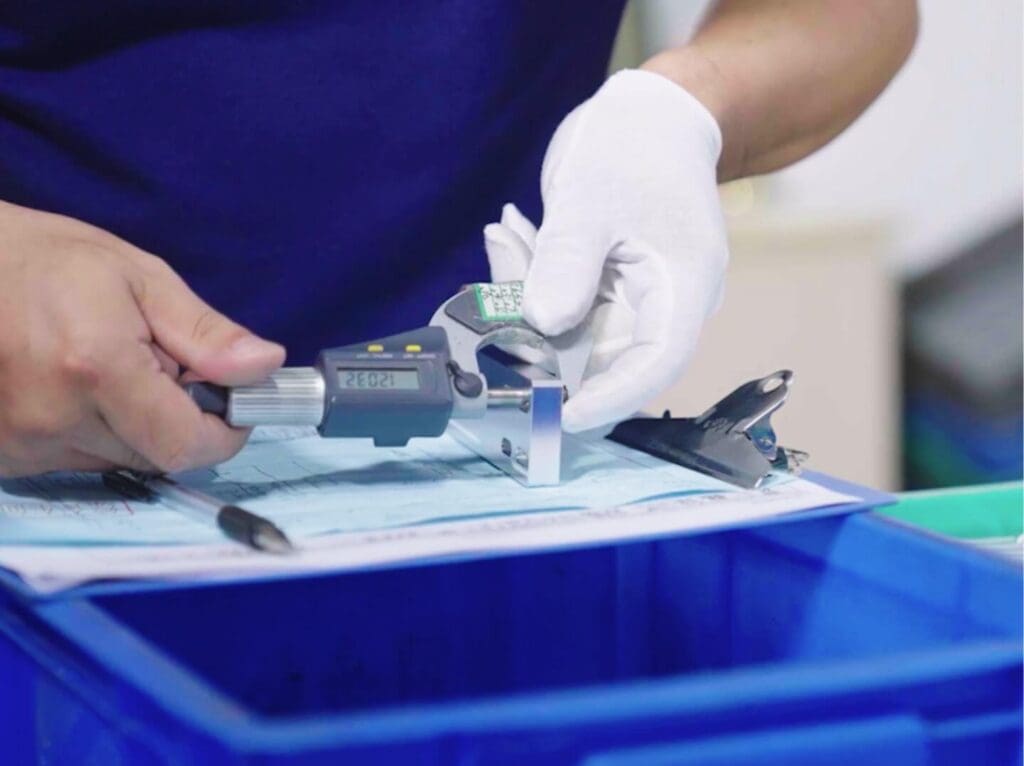
Tool measurement and inspection ensure consistency. Micrometers, calipers, and gauges verify dimensions within tolerance. Regular calibration prevents drift that could compromise batch quality.
Factors Influencing Tool Performance
Material compatibility determines cutting speed and feed rate. Harder materials require tougher substrates and specialized coatings. Excessive heat generation can degrade tool integrity rapidly.
Spindle runout affects tool balance and vibration levels. Even minor misalignment accelerates wear on both the tool and the machine spindle. Proper maintenance routines help identify runout issues early.
Coolant delivery plays a critical role in chip evacuation and temperature control. Inadequate flow can lead to built-up edge or thermal cracking. Evaluating nozzle placement and pressure is part of effective setup.
Comparison of Common Tool Materials
Carbide offers the best balance for most general manufacturing needs. Tool substrate selection should align with production volume and required surface finish.
Checklist for Selecting Reliable Tooling Solutions
Buyers often face confusion when evaluating suppliers. A systematic approach reduces risk and ensures better long-term value.
Verify tool geometry specifications match your machine’s taper and hold-down type.
Request material test certificates to confirm coating composition and substrate hardness.
Assess supplier response time for technical queries and engineering support.
Review sample testing options before committing to large orders.
Confirm lead times align with your production schedule requirements.
Check for quality control documentation and traceability standards.
YPMFG provides engineering evaluation to help buyers navigate these criteria. You can send drawings or requirements for a detailed review.
Hidden Costs of Cheap Tooling
Low initial price rarely reflects true operational cost. Cheap tools may fail prematurely, causing unplanned downtime and rework.
Frequent tool changes interrupt cycle times and reduce machine availability. Scrap rates also increase when tools lack consistent geometry. These hidden expenses often exceed the savings from lower unit prices.
Investing in stable, verified tooling improves predictability. Better tool life supports tighter scheduling and reduces inventory management burden. Total cost of ownership should drive purchasing decisions.
Questions Buyers Often Ask About Tooling
How do I choose between carbide and ceramic inserts?
Carbide inserts suit most common materials like aluminum and steel. Ceramic inserts excel in high-speed finishing of superalloys but require rigid machine setups. Your choice depends on the workpiece material and desired surface finish.
Can I request custom tool geometries for my project?
Many manufacturers offer tailored geometries for specific part features. This includes unique flute designs or specialized coatings. Contact the engineering team with your requirements to discuss feasibility.
What documentation should I expect from a supplier?
Reputable suppliers provide test reports, material certificates, and tool maps. These documents verify performance claims and assist with traceability. Always request documentation before placing bulk orders.
How important is coating quality for tool life?
Coatings reduce friction and protect the substrate from heat. Advanced coatings like AlCrN can significantly extend tool life in demanding applications. Verify coating thickness and adhesion standards during evaluation.
Making a Better Long-Term Decision
Selecting the right tooling involves balancing performance, support, and overall expense. Focus on suppliers who understand your application challenges.
YPMFG offers comprehensive support, from initial assessment to final delivery. We can provide technical guidance and help optimize your tooling strategy.
Share your project specifications with us to receive a personalized recommendation. Our team is ready to assist with technical advice and competitive quotes.