Quick answer: Brass blocks are rectangular raw material blanks used as starting stock for CNC milling, turning, and Swiss machining operations. The right choice depends on your brass alloy grade, target tolerances, volume, and surface finish requirements. YPMFG supplies certified brass machining blanks in common grades such as C360, C260, C272, and C280, with custom dimensions and materials available on request.
Most buyers lose time and budget by selecting the wrong alloy or accepting loose tolerances that require additional rework. This guide walks you through the practical factors you should evaluate before placing a purchase order.
Why Brass Is a Preferred Material for Machined Components
Brass remains one of the most widely used materials in CNC metal part manufacturing. Its natural properties align well with high-volume precision machining workflows.
Brass offers excellent machinability across multiple alloy types. Free-cutting grades like C360 allow higher feed rates and produce clean chip formation. This reduces tool wear and cycle time compared to many steel or aluminum alternatives.
The material also provides good corrosion resistance without additional coating. This makes it suitable for plumbing fittings, electrical connectors, valves, and decorative hardware. Many buyers choose brass specifically to avoid secondary finishing steps.
Thermal and electrical conductivity further expand its application range. Engineers often specify precision brass parts for components that must manage heat or conduct current in compact spaces.
Understanding Common Brass Alloys for CNC Machining
Selecting the correct alloy is the first critical decision when ordering machined brass blocks. Different compositions deliver different balances between strength, machinability, and corrosion performance.
C360 is typically the default choice for general CNC machining because it machines faster and produces smoother finishes. C260 and C272 are better suited for applications that require additional forming or higher structural strength. C464 is selected when exposure to marine or chemical environments is a factor.
YPMFG can help you compare these grades against your specific load,environment, and production volume requirements.
Key Factors That Influence Brass Block Selection
Beyond alloy grade, several practical factors affect the final selection of brass raw material for machining.
Tolerance and dimensional accuracy are perhaps the most important considerations. Standard commercial blanks may have wider tolerances than what precision components require. Tight-tolerance projects often need material that has been stress-relieved or finish-machined to closer dimensions.
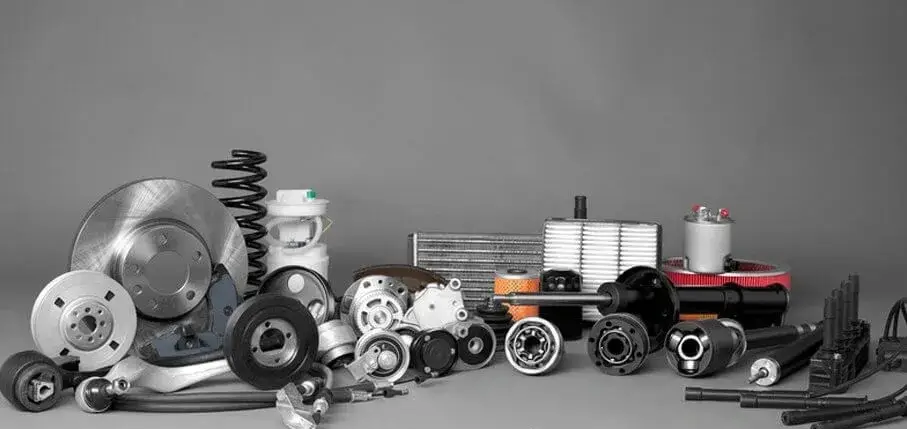
Surface condition matters for applications that will not undergo additional finishing. Mill scale, oxidation marks, or uneven surfaces on raw blocks can propagate into visible defects on finished parts. Selecting pre-finished or pickled stock can eliminate this risk.
Block size and quantity directly affect lead time and unit cost. Standard sizes from inventory ship faster, while custom-cut dimensions may require a shorter fabrication lead. Bulk orders typically receive more competitive per-unit pricing.
Traceability and certifications become essential when parts serve regulated industries. Material test reports (MTRs), RoHS compliance, and REACH documentation should be available for every batch if required by your customer specifications.
How Machining Performance Differs Across Brass Grades
Not all brass materials machine the same way. Understanding these differences helps you avoid unexpected costs during production.
Free-cutting brass grades with added lead typically allow cutting speeds up to 150 to 200 meters per minute on CNC milling centers. Non-leaded grades often require reduced speeds and may benefit from specialized tool coatings to maintain tool life.
Chip control is another factor that varies by alloy. Free-cutting brass produces small, breakable chips that are easy to manage. Some non-leaded grades can form longer, stringy chips that may interfere with automated operations unless properly managed.
Thermal expansion rates also differ slightly between alloys. While brass expands less than aluminum, designers should still account for thermal growth in tight-tolerance applications, especially during long production runs where the material heats up over time.
Cost Considerations When Purchasing Brass Blocks
Budget planning for brass machining parts requires looking beyond the per-kilogram material price. Several hidden cost factors often go overlooked in initial quotes.
Material waste is a significant consideration. Brass is denser than aluminum, and net-shape efficiency depends on how well the block size matches your part geometry. Poor nesting or oversized blanks increase both material cost and machining time.
Tooling costs vary depending on the alloy. Harder or non-leaded grades accelerate tool wear. Buyers should factor in periodic tool replacement, especially for high-volume runs.
Lead time affects overall project economics. Stock material ships quickly but may carry a small premium. Custom sizes or special certifications can extend lead time but may reduce per-unit cost at scale.
Quality inspections and documentation add modest overhead. Reputable suppliers include basic MTRs in standard orders. Special testing or third-party verification should be requested early if your application demands it.
Quality Markers to Verify Before Placing an Order
Working with a capable CNC parts manufacturer means you should verify certain quality markers before confirming a purchase.
Request material certifications that match the alloy grade you specified. These documents confirm the chemical composition and verify that the stock meets ASTM or EN standards.
Check whether the supplier performs incoming quality control on raw material. Consistent mills and traceable batches reduce the risk of material substitution or off-spec deliveries.
Ask about dimensional tolerance guarantees on blank stock. Some suppliers offer commercially stocked blocks with standard tolerances and precision-ground blocks for tighter applications. Clarifying this upfront prevents surprises later.
Finally, confirm the supplier’s ability to provide sample runs or proof-of-concept pieces before full production begins. This step is especially valuable when introducing a new material or alloy to your supply chain.
Common Mistakes Buyers Make When Ordering Brass Blocks
Even experienced procurement teams make predictable errors when sourcing brass CNC material. Being aware of these pitfalls can save time and money.
Assuming all brass blocks are interchangeable is the most frequent mistake. C360, C260, and C464 are not equivalent. Using the wrong grade can compromise part performance, especially under mechanical stress or corrosive conditions.
Overlooking thermal expansion during design is another common oversight. Engineers sometimes assume room-temperature dimensions will hold throughout machining. In reality, prolonged tool contact can raise part temperature enough to affect tight-tolerance results.
Failing to confirm surface finish expectations leads to rework and delays. Buyers who assume as-received stock is ready for immediate machining may discover mill scale or oxidation marks on finished parts.
Underestimating the importance of traceability can create problems during audits. If your customer requires full material traceability, missing MTRs or unclear batch records can delay shipments.
How YPMFG Supports Brass Block Procurement
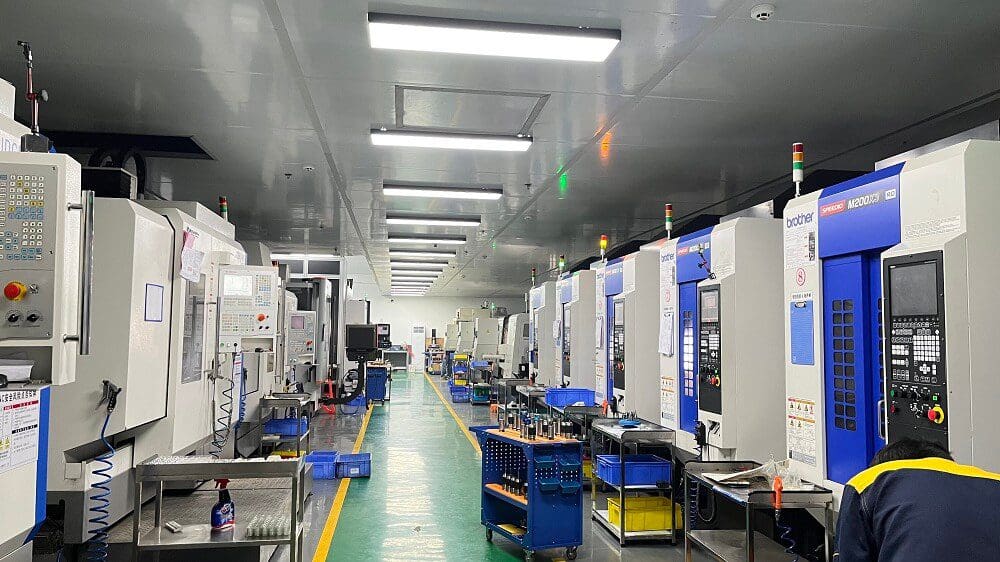
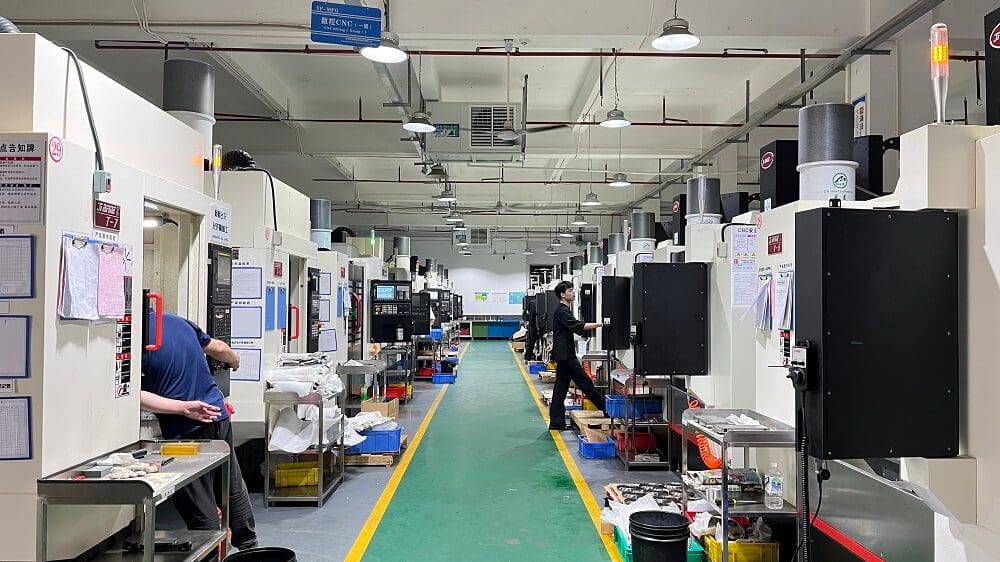
YPMFG provides CNC brass machining services backed by engineering review and material expertise. Our team assists buyers in selecting the appropriate alloy based on their application, volume, and quality requirements.
We stock common brass grades in standard block sizes for fast delivery, while also offering custom dimensions and special certifications when needed. Every order can include material test reports and supplier documentation upon request.
For projects with tight tolerances or complex geometries, our engineering team can evaluate your specifications and recommend optimal material and process choices before production begins.
Questions Buyers Often Ask About Brass Blocks for Machining
What is the difference between C360 and C260 brass blocks?
C360 contains lead, which makes it easier to machine at high speeds and produce cleaner surfaces. C260 has no lead and offers higher ductility, making it better for forming or deep-drawing applications. Both are suitable for CNC machining but serve different priorities.
Are brass blocks environmentally safe to work with?
Brass is generally considered safe for machining. However, leaded grades like C360 require standard metalworking hygiene practices, including proper ventilation and cleanup. Always follow workplace safety guidelines when machining any brass alloy.
Can I get brass blocks with tight dimensional tolerances?
Yes. Standard stock blocks come with commercial tolerances, while precision-ground blocks are available for tighter requirements. You should specify your tolerance needs when requesting a quote so the supplier can recommend the appropriate grade and finish.
How do I choose between free-cutting and non-leaded brass?
Free-cutting brass is preferred for high-volume CNC production where speed and surface finish matter most. Non-leaded brass is chosen when lead content is restricted, when forming is required, or when specific regulatory standards apply.
Is it cheaper to buy raw brass blocks or order pre-machined parts?
It depends on your volume and complexity. Raw blocks are more economical when you have in-house machining capacity. Pre-machined parts are more cost-effective for low volumes or when secondary operations add significant cost. YPMFG can provide both options for comparison.
What certifications should I expect with brass block orders?
Standard orders typically include material test reports confirming chemical composition and mechanical properties. If your project requires RoHS, REACH, or military-spec documentation, these should be requested upfront to ensure availability.
Need Help Selecting the Right Brass Blocks for Your Project?
Choosing the correct brass alloy for CNC machining involves balancing material properties, machining efficiency, and end-use requirements. Making an informed decision from the start reduces rework, prevents quality issues, and supports consistent production results.
If you are evaluating material options or comparing quotes for your next project, you can send your specifications to YPMFG for engineering review. We will help you identify the most suitable brass grade, confirm dimensional and surface requirements, and provide a clear quotation with full material documentation.