Quick answer:
Bronze and brass casting combined with CNC machining delivers complex metal parts that benefit from both the design flexibility of casting and the precision of machining. For industrial applications, the key is selecting a supplier that controls both processes in-house, understands alloy behavior during machining, and can meet tight tolerances. YPMFG specializes in this integrated approach for CNC machined bronze and brass parts, helping buyers reduce lead times and quality risks.
Procurement teams often struggle to find a single source that handles both casting and precision machining for bronze and brass components. Outsourcing these steps separately introduces coordination gaps, inconsistent quality, and longer timelines. The issue is compounded when the supplier lacks experience with the unique machining characteristics of copper-based alloys. This article addresses the core decision factors, process integration, material selection, and quality checkpoints so you can evaluate suppliers confidently.
How Casting and CNC Machining Work Together for Bronze and Brass
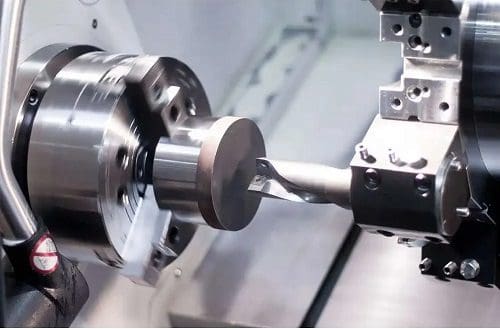
Bronze and brass casting produces near-net-shape parts with complex geometries that would be difficult or wasteful to produce by machining alone. The casting process establishes the basic form, material density, and internal structure. After casting, CNC machining services refine critical surfaces, bores, threads, and mating features to exact tolerances.
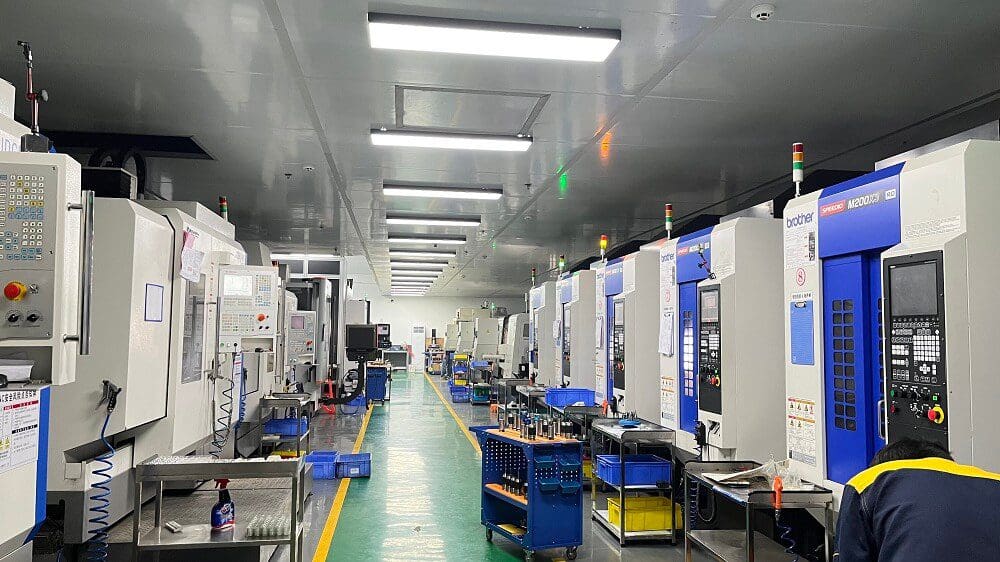
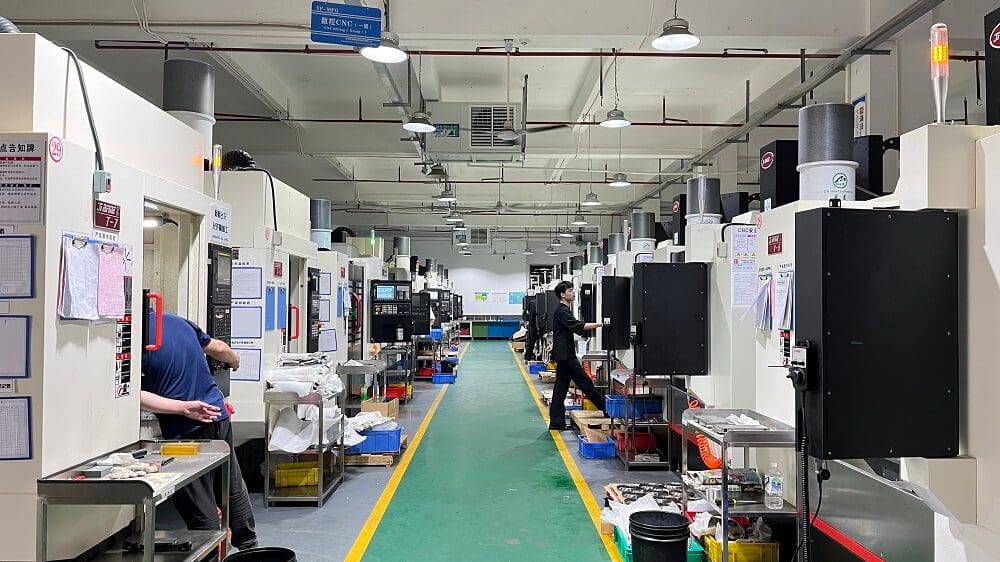
This two-step sequence is standard for industrial components such as valve bodies, pump housings, flanges, bushings, and hydraulic fittings. The casting stage handles shape complexity. The machining stage handles dimensional accuracy and surface finish. When one supplier manages both stages, dimensional stack-ups are controlled more effectively, and inspection data flows directly from casting to final machining.
YPMFG integrates these stages so that casting allowances, residual stresses, and material variations are accounted for before machining begins. This reduces rework and ensures the final part meets engineering drawings on the first pass.
Key Factors for Choosing a Supplier for Cast and Machined Parts
Not all foundries or job shops can deliver consistent results across both processes. The gap usually appears in material traceability, fixturing strategy, or inspection capability. Buyers should evaluate the following areas before committing to a supplier.
Process integration
In-house casting followed by in-house CNC machining eliminates handoff errors. Verify whether the supplier operates both stages under one quality system or contracts them out.
Alloy knowledge
Bronze and brass contain different copper-tin, copper-zinc, and alloying combinations. Each responds differently to cutting speed, tool wear, and coolant use. Ask the supplier about their experience with specific alloys such as C95400, C83600, C84400, or UNS C63000.
Tolerance capability
CNC machining on cast bronze and brass typically achieves tolerances in the range of ±0.005 to ±0.010 inches on critical features, depending on part size and fixture setup. Request documented capability data rather than general claims.
Quality documentation
A reliable supplier should provide material certifications, first-article inspection reports, and coordinate measuring machine data for critical dimensions. These documents are essential for audit readiness and incoming inspection.
Technical support availability
Suppliers that offer engineering evaluation and drawing review can identify potential issues early, such as insufficient machining stock, thin-wall distortion, or thermal upset from casting. Early feedback prevents costly changes later.
Common Bronze and Brass Alloys Used in CNC Machining
Selecting the right alloy affects machinability, corrosion resistance, load capacity, and cost. Below is a reference table for frequently specified copper-based alloys in cast-and-machined applications.
Each alloy requires different tool geometry and cutting parameters. An experienced manufacturer will select carbide grades, coatings, and feed rates suited to the specific material. When sharing your application requirements, including the expected operating environment and load conditions will help the supplier recommend an appropriate alloy.
Cost Drivers and What Impacts Pricing
Understanding cost structure helps buyers compare quotes fairly. Several factors influence the final price for cast and machined bronze or brass parts.
Material cost
Copper-based raw material prices fluctuate with market conditions. Alloy composition, bar versus ingot form, and scrap content affect unit cost.
Casting method
Sand casting is common for medium-to-large parts. Investment casting suits smaller, more intricate geometries. The chosen method determines surface readiness and machining allowance.
Machining complexity
Parts requiring multiple setups, deep holes, thin walls, or tight tolerances on cast surfaces increase cycle time. Feature count and access constraints directly affect machining cost.
Surface finish requirements
Standard machined finishes may require only basic milling and turning. Specified Ra values, plating prep, or special coatings add processing steps.
Order volume
Prototypes and short runs carry higher per-unit cost due to setup time. Production volumes allow amortized setup and optimized tool paths.
When requesting a quote,provide complete drawings with material specification, tolerance callouts, and surface finish requirements. Missing information often leads to estimated pricing that diverges from actual cost.
Quality Control Checkpoints for Cast and Machined Parts
Quality control should span the entire flow from raw material receipt to final shipment. The following checkpoints help ensure parts meet engineering intent.
Incoming material verification
Confirm that purchased alloy matches the specified grade. Positive material identification testing should be available for critical orders.
Casting inspection
Check for porosity, shrinkage, cold shuts, and dimensional accuracy of the as-cast part. Non-destructive testing may be required for pressure-containing components.
Machining process control
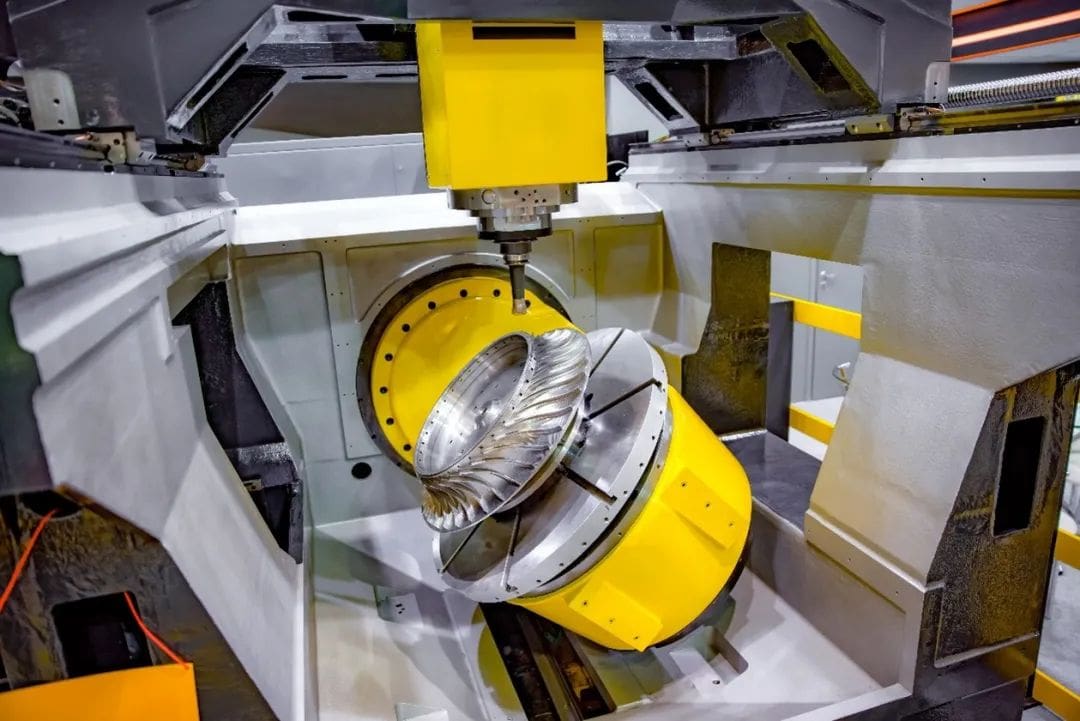
Monitor tool wear, fixture alignment, and coolant condition. In-process inspection catches drift before the part reaches final dimensions.
Final inspection
Use coordinate measurement for critical features. Verify surface finish with profilometer when specified. Document all measurements in a first-article report.
Packaging and traceability
Cast bronze and brass parts can scratch or dent during transit. Proper packaging preserves finished surfaces. Maintain traceability from casting batch through final inspection.
YPMFG supports these quality checkpoints with documented procedures and transparent reporting. Buyers can request inspection plans aligned with their own incoming quality requirements.
Common Mistakes to Avoid When Sourcing These Parts
Procurement errors in this category usually stem from incomplete specifications or insufficient supplier evaluation. The following mistakes are among the most frequent.
Specifying impossible tolerances on cast surfaces
Cast surfaces introduce variability. Tight tolerances should only be called out on finished machined features, not on as-cast surfaces.
Underestimating machining allowance
Insufficient stock left on cast surfaces can cause machining defects or scrapped parts. A proper casting design includes balanced allowances for all machined zones.
Ignoring alloy selection for the application
Using a general-purpose bronze where aluminum bronze is required leads to premature failure. Application conditions should drive material choice.
Selecting suppliers based on price alone
Low quotes often reflect thinner quality controls, subcontracted processes, or inadequate inspection. Evaluate total cost including rework risk and delivery reliability.
Failing to share assembly context
Knowing how the part mates with other components helps the supplier optimize datums, feature callouts, and inspection priorities.
Questions Buyers Often Ask About Bronze and Brass Cast Machined Parts
What is the typical lead time for cast and machined bronze parts?
Lead time depends on casting method, part size, machining complexity, and order quantity. Small to medium production runs commonly take two to six weeks. Prototype orders may move faster. Request a detailed schedule after submitting your drawings.
Can a supplier machine thin-walled bronze castings without distortion?
Yes, with proper fixturing, stress-relief practices, and sequential machining. Thin sections require careful planning to avoid deflection and thermal warpage. Share wall thickness and feature details during engineering review.
Is heat treatment required after casting and machining?
Some aluminum bronzes and manganese bronzes benefit from solution treatment and aging to achieve target mechanical properties. Heat treatment sequence should be coordinated with machining to avoid re-machining requirements. Confirm with your supplier whether热处理 is applicable to your alloy.
How do I verify that a supplier can handle both processes reliably?
Request evidence of in-house capabilities, including casting equipment, CNC machines, and inspection instruments. Ask for sample reports, material certifications, and process documentation. A site audit or virtual walkthrough adds confidence.
What documentation should I expect with shipped parts?
Typical documents include material certificates, first-article inspection reports, dimensional inspection records, and packing lists. Additional certifications may be required for aerospace, marine, or nuclear-adjacent applications.
Choosing the Right Partner for Your Cast Machined Components
Bronze and brass parts that combine casting and CNC machining demand a supplier who understands both disciplines. The right partner controls alloy selection, casting design, machining strategy, and inspection under one quality system. This approach reduces risk, improves first-pass yield, and shortens delivery timelines.
When evaluating suppliers, focus on process integration, documented quality practices, alloy expertise, and transparency in pricing. Send your drawings and specifications to YPMFG for an engineering review. The team can assess manufacturability, recommend suitable materials, and provide a detailed quote tailored to your project requirements.