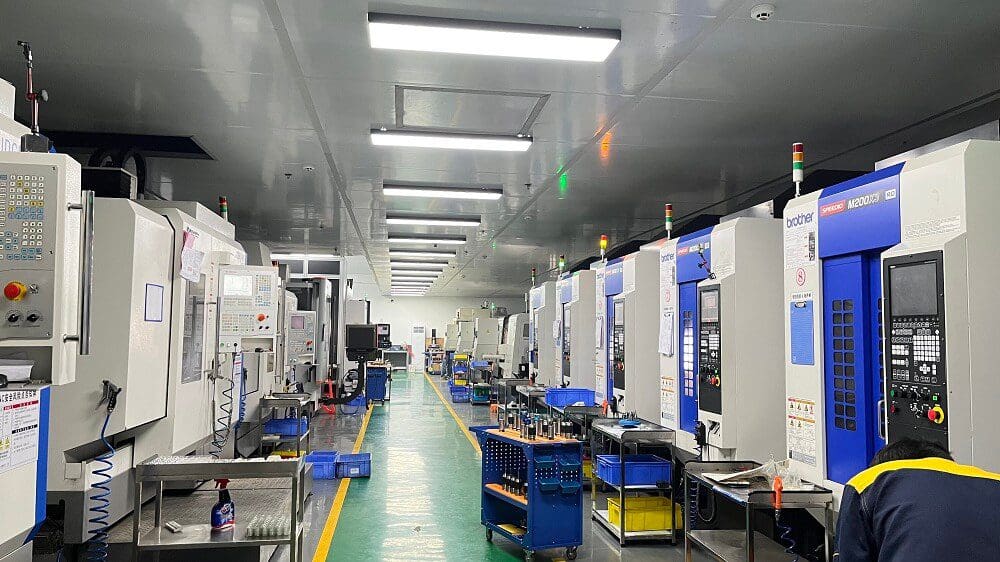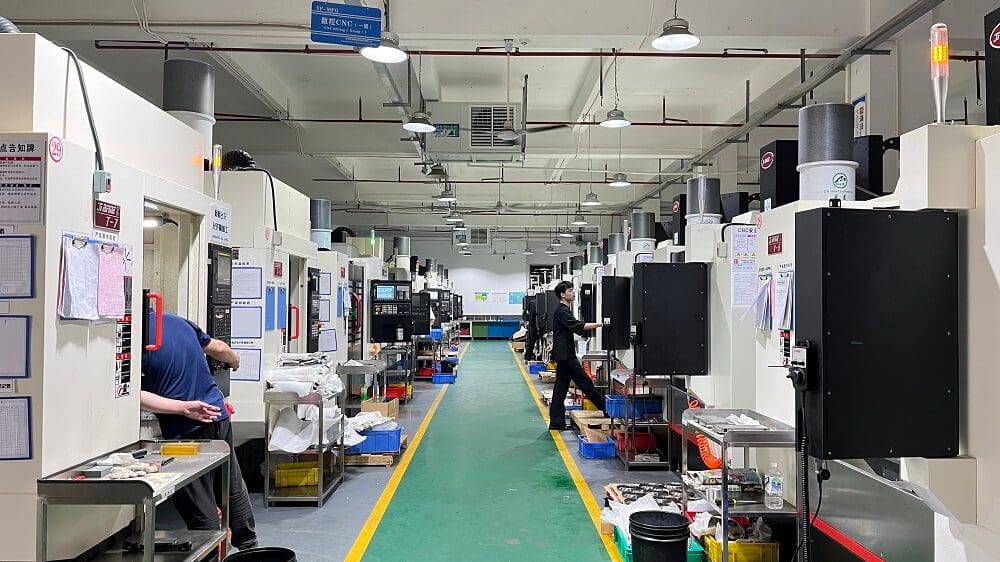
Quick answer:
CNC machining is the broad category of computer-controlled manufacturing that removes material to create parts. CNC milling is one specific process within that category, where a rotating cutter shapes the workpiece. In short, all milling is CNC machining, but not all CNC machining is milling — it also includes turning, drilling, grinding, and other processes. Engineers and procurement buyers should understand which method fits their part geometry and tolerance requirements before requesting a quote.
This distinction matters because choosing the right process directly affects lead time, surface finish, dimensional accuracy, and unit cost. At YPMFG, we help engineers and sourcing teams evaluate the right manufacturing route based on their part drawings, material selection, and production volume.
What Is CNC Machining?
CNC machining refers to any subtractive manufacturing process controlled by a computer program. The system reads digital design files, usually in CAD or CAM format, and precisely guides cutting tools to remove material from a raw block or bar stock.
This approach applies across multiple processes. Turning uses a lathe to shape cylindrical parts. Milling uses rotary cutters for complex 3D geometries. Drilling, boring, grinding, and multi-axis operations fall under the same umbrella as well.
Modern CNC machines offer tight tolerances, repeatability, and flexibility for both prototype runs and high-volume production.
What Is CNC Milling?
CNC milling is the most widely used machining process. It uses rotating cutting tools to remove material from a stationary workpiece. The tool moves along multiple axes — typically three, four, or five — to cut intricate shapes, slots, pockets, and contours.
Horizontal and vertical milling machines serve different production needs. Vertical mills are better for flat surfaces and complex contours. Horizontal mills excel at heavy material removal and producing multiple features in a single setup.
Five-axis milling represents the highest level of flexibility. It allows the cutter to approach the workpiece from nearly any angle, making it ideal for aerospace components, medical implants, and complex mold inserts.
Key Differences Between CNC Machining and Milling
Understanding this relationship helps buyers avoid confusion during the specification and quoting stage. Below is a practical breakdown of how the two concepts compare across common decision criteria.
Buyers should view milling as a subset of CNC machining rather than a competing alternative.
Common CNC Machining Processes Beyond Milling
CNC turning is the second most common process. It produces cylindrical parts like shafts, bushings, and rollers on a lathe. The workpiece rotates while a stationary cutting tool shapes its outer or inner diameter.
Drilling and boring create precise holes and enlarge existing ones. These operations are often performed alongside milling on multi-task CNC centers, reducing the need to transfer parts between machines.
Grinding achieves extremely fine surface finishes and tight tolerances, typically below 0.0005 inches. It is used as a finishing step after milling or turning when dimensional precision is critical.
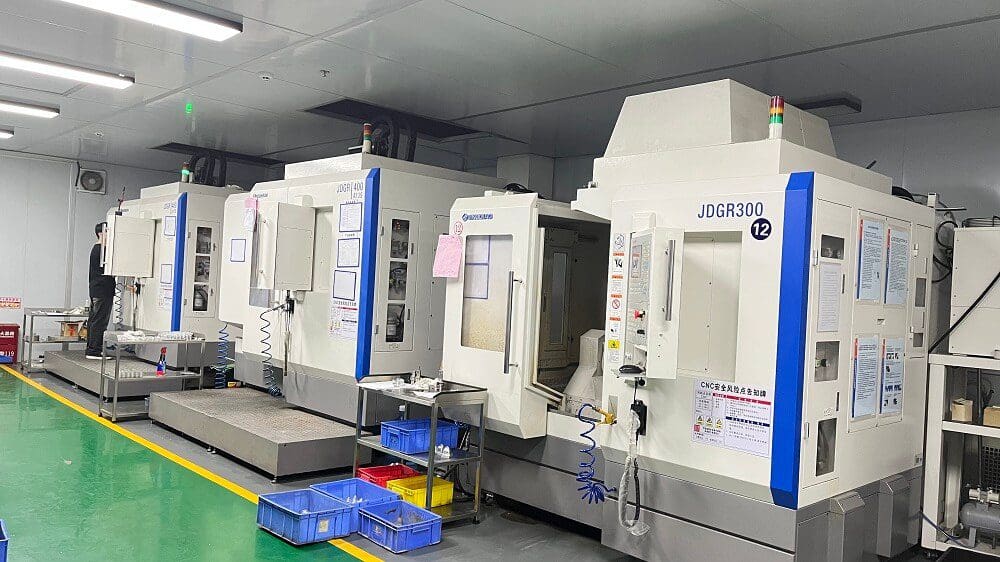
Each process brings distinct advantages, and many parts require a combination of operations to reach the final specification.
How to Choose the Right Process for Your Part
Selecting between milling and other machining methods depends on several technical factors. The part geometry is the primary driver. Rotational symmetry favors turning. Flat or complex solid shapes favor milling.
Material hardness and type also play a significant role. Hardened steels and exotic alloys often require specialized tooling and slower cutting speeds. Softer materials like aluminum and brass can be machined more aggressively, reducing cycle time.
Tolerance requirements and surface finish expectations determine whether a single milling operation is sufficient or if additional finishing steps are needed. A part requiring ±0.0005 inch tolerances and a mirror finish will need both precision milling and subsequent grinding or polishing.
Production volume influences the economic decision as well. Low-volume prototyping benefits from flexible CNC setups. High-volume runs may justify dedicated tooling or multi-spindle machines for faster throughput.
YPMFG provides free engineering evaluations for incoming drawings. Our team reviews your geometry, material, tolerances, and volume to recommend the most cost-effective machining strategy before production begins.
Material Selection for CNC Machined Parts
Material choice affects machinability, mechanical properties, cost, and final part performance. Below are the most common categories used in industrial applications.
Aluminum alloys are the most widely machined materials. They offer excellent machinability, lightweight properties, and good corrosion resistance. Common grades include 6061, 7075, and 5052.
Stainless steels provide strength and corrosion resistance. Grades 303, 304, 316, and 416 vary in machinability, with 303 being the easiest to cut.
Tool steels and hardened steels are used for wear-resistant components like dies, molds, and cutting tools. They require specialized tooling and slower feed rates.
Engineering plastics such as PEEK, Delrin, and Nylon are chosen for non-metallic applications. They machine differently than metals and require adjusted cutting parameters.
Material selection should balance mechanical requirements with manufacturing practicality. A material that is ideal in theory may produce excessive tool wear or dimensional instability in practice.
Cost Factors in CNC Machining and Milling
Several factors determine the unit cost of a CNC machined part. Understanding these helps buyers evaluate quotes accurately and avoid unexpected expenses.
Part complexity is the most significant cost driver. A simple block with drilled holes costs far less than a part with internal channels, thin walls,and tight tolerances on multiple faces.
Material cost and waste factor also influence pricing. Bar stock and plate have different pricing structures, and complex parts generate more scrap material.
Cycle time depends on material hardness, tool paths, number of setups, and machine type. Multi-axis milling generally takes longer than 3-axis milling but may reduce total cost by eliminating separate setups.
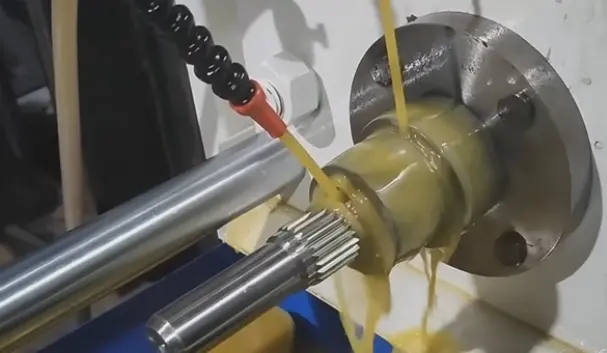
Surface finish and inspection requirements add to the final price. Parts requiring manual measurement, CMM verification, or special coatings will carry additional charges.
We recommend submitting detailed drawings with clearly marked tolerances and finish requirements when requesting a quote. This allows the manufacturer to provide an accurate and comparable estimate.
Quality Control and Tolerance Standards
Precision manufacturing requires systematic quality verification. Modern CNC machines can consistently hold tolerances of ±0.0005 inches or tighter, but only with proper process control and inspection.
First-article inspection verifies that the initial produced part meets all drawing specifications. This step is essential for new programs and design changes.
In-process inspection catches deviations early, preventing scrap on subsequent parts. Coordinate measuring machines, optical comparators, and surface roughness testers are standard tools.
Certified inspection reports provide documentation for traceability and compliance. Many industries, including aerospace and medical device manufacturing, require full documentation with each shipment.
YPMFG performs quality checks at multiple stages and provides detailed inspection reports upon request. Our team can also support APQP and PPAP documentation for automotive and regulated industry customers.
Common Mistakes in CNC Part Design
Design decisions made before quoting can significantly impact manufacturing cost and feasibility. Avoiding these frequent mistakes saves time and reduces revision cycles.
Over-specifying tolerances on non-critical features drives up cost unnecessarily. Specify tight tolerances only where they are functionally required.
Ignoring tool access limitations can make a part impossible to machine without expensive custom tooling. Sharp internal corners, for example, cannot be milled with a standard end mill.
Selecting inappropriate materials for the application leads to part failure or excessive machining difficulty. Consider the operating environment, load requirements, and environmental exposure when choosing materials.
Inadequate thread specifications cause confusion during production. Always specify thread size, class, depth, and whether tapping or threading is preferred.
Sharing your design intent early with your manufacturer allows for DFM analysis before tooling and setup begin.
YPMFG Support Services for CNC Projects
From initial concept to final delivery, manufacturers should have access to comprehensive technical support. YPMFG offers several services designed to streamline the procurement and production process for CNC machined components.
Engineering evaluation is available for all inquiry submissions. Our team reviews part drawings and provides feedback on manufacturability, material recommendations, and process selection.
Custom solutions are developed for unique part requirements. Whether you need specialized fixtures, unusual materials, or multi-operation sequences, our engineers work with you to find a practical approach.
Sample testing allows you to verify quality before committing to full production. A small batch of prototype parts can be manufactured and inspected against your specifications.
Technical documentation including inspection reports, material certifications, and process sheets are provided to support your quality management system and compliance requirements.
After-sales support addresses any concerns that arise after delivery. We maintain open communication throughout the project lifecycle and respond promptly to technical questions.
Practical Questions Buyers Often Ask
How long does a typical CNC machining order take?
Lead time depends on part complexity, material availability, and production volume. Simple parts may ship within a few days. Complex multi-operation parts with tight tolerances typically require one to three weeks. Expedited service is often available for urgent projects.
Can you work from a 3D CAD file instead of a 2D drawing?
Yes. Most CNC manufacturers, including YPMFG, can generate tool paths directly from STEP, IGES, or native CAD files. However, providing a 2D drawing with annotated tolerances and surface finish requirements reduces clarification time and prevents misinterpretation.
What is the minimum order quantity for CNC parts?
There is typically no minimum order quantity for CNC machining. This process is well-suited for one-off prototypes and low-volume production runs. Higher volumes benefit from optimized tool paths and dedicated setups that reduce per-unit cost.
How do I get an accurate quote for my CNC parts?
Submit your part drawings, specify material and quantity, and indicate any special requirements such as surface finish, heat treatment, or inspection. Clear specifications allow the manufacturer to provide a precise and competitive quotation without unnecessary back-and-forth.
What certification should I look for in a CNC machining supplier?
ISO 9001 certification indicates a baseline quality management system. Industry-specific certifications such as AS9100 for aerospace or ISO 13485 for medical devices may be required depending on your application. Always verify that the supplier holds relevant certifications for your industry.
Need Help Selecting the Right CNC Machining Process?
The difference between CNC machining and milling is not just semantic — it shapes how you specify, source, and evaluate parts. Milling handles complex 3D geometries. Turning produces cylindrical features. Together, they cover the vast majority of precision manufacturing needs.
Making the right choice starts with a clear part specification and an experienced manufacturer who can guide your design and production decisions. YPMFG supports engineers and procurement teams with custom CNC solutions, engineering reviews, and end-to-end manufacturing services for precision machined components.
Send your specifications to YPMFG for a free engineering review. We will help you identify the most efficient process, optimize your design for manufacturability, and deliver parts that meet your quality and timeline requirements.